
When a clogged drain becomes an emergency
One slow sink is a nuisance. Water standing in a tub after a shower, a toilet that gurgles when the washer drains, or sewage coming up a basement floor drain is different. Those signs point to a blockage in a line shared by several fixtures, and the water has nowhere to go but back into your home.
If more than one fixture is affected, treat it as urgent. Stop running water, and do not pour drain chemicals down the line. The chemicals sit in the pipe, burn skin on contact, and make the job harder and less safe for the plumber.
Several drains slow at once
A clog in the main line shows up in the lowest fixtures first, usually the basement shower or floor drain.
Gurgling or bubbling
Air pushed back through traps means water is not moving down the line.
Water in the floor drain
Gray or dark water rising in a basement drain is a main line problem.
Same clog returns
A drain that clears for a week and slows again often has roots or scale inside the pipe.
How we clear a drain
Find the clog
We ask which fixtures are slow, then test the line to see where the blockage sits.
Pick the tool
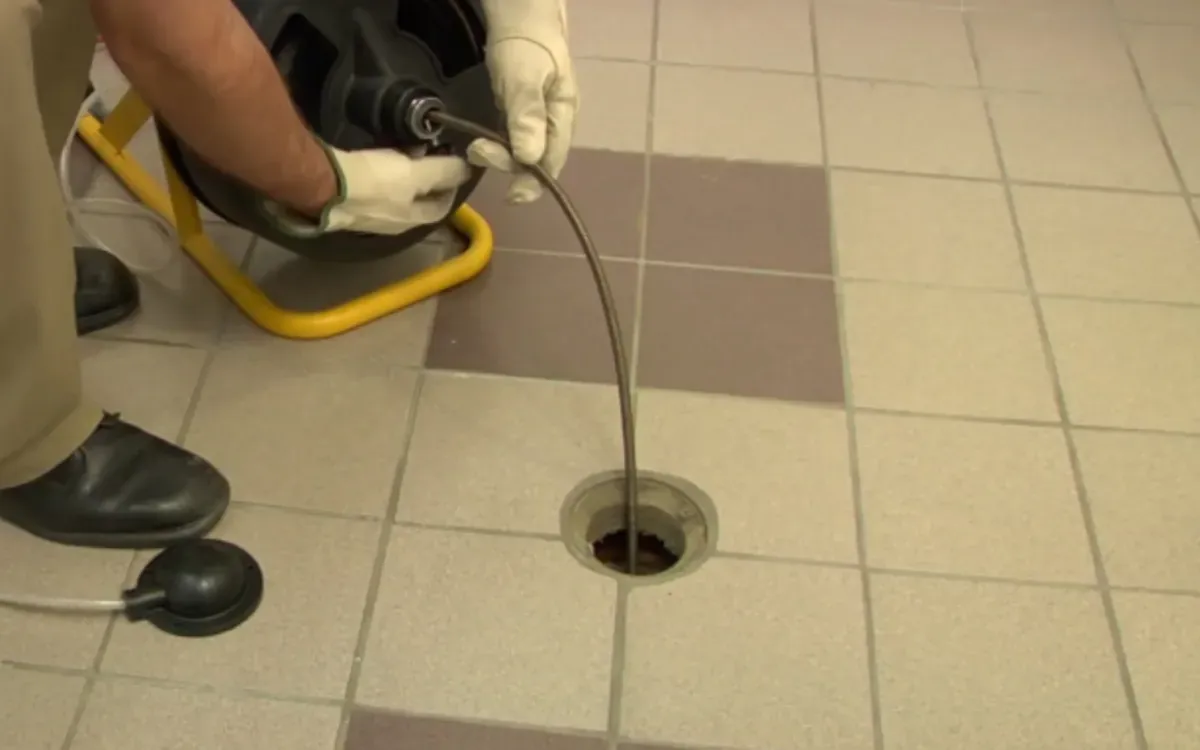
A hand auger handles a sink trap. A cable machine reaches a main line. Heavy buildup may call for hydro jetting.
Clear and flush
We run the cable through the clog, pull debris out and flush the line with water.
Check the result
We run water at each fixture to confirm it drains, and tell you if the line needs a camera look.
Drain not moving?
Call the 24/7 line about drain cleaning and we will book the next appointment that fits.
Drain cleaning methods compared
Plumbers use different tools depending on the pipe and the blockage. The right method saves you from paying for a bigger machine than the job needs, and from a light tool that only pokes a hole through the clog.
| Method | Best for | Limits |
|---|---|---|
| Hand auger or plunger | Sink, tub and toilet clogs close to the fixture | Cannot reach far into the line |
| Cable machine | Main lines, roots, and clogs past the first bend | Can leave grease on the pipe wall |
| Hydro jetting | Grease, scale and silt on the full pipe wall | Needs a sound pipe, so a camera check comes first |
| Camera inspection | Finding why a line keeps clogging | Shows the problem but does not clear it |
Your plumber chooses the method on site.
What drain cleaning costs and what changes the price
You hear a clear price before work starts. A single sink clog and a blocked main line are very different jobs, so we do not post one number for both.
These factors move the price most:
If a backup damaged your floors, your homeowner's policy may cover the cleanup but often not the drain itself. We can write up what we found so you can send it to your insurer.
Drains in older Massillon homes
Much of Massillon was built well before modern codes. Houses near downtown and along Lincoln Way East often still have cast iron drain lines, which scale up inside over decades and narrow the opening. Clay lines in the yard can let tree roots in at the joints, and roots keep growing back until the pipe is lined or replaced.
City crews maintain the public sewer lines and manholes. Your responsibility runs from the house out to the connection, so a backup that clears with one visit but returns usually points to the private side. If water backs up in a basement during a long spring storm, the cause may be overloaded drains or a failed sump pump rather than a clog.
Drains, traps and vents in Ohio are covered by the Ohio Plumbing Code, OAC Chapter 4101:3, and its standards for slope, venting and cleanout access are why a good drain visit ends with a flow test.
Before we arrive
Kitchen sink clogs in Massillon homes
A kitchen sink is the drain that fails most often, because grease, coffee grounds and food scraps all end up in one trap. The water drains slowly at first, then stands in the basin, and a smell often comes up before the sink stops completely.
A plunger helps with a soft clog near the trap. If the water backs up in the other side of a double sink or the dishwasher fills the basin, the blockage is further down the line and needs a cable.
Snaking and cabling: what the machine does
Snaking uses a hand-fed spring to clear a clog close to the fixture. Cabling uses a motor-driven cable with a cutting head, and it reaches the branch line and the main drain. Which one fits depends on how far the blockage sits and what it is made of.
We choose the cable size and head for the pipe, because a heavy head forced into an old cast iron line can scrape it. After the clog is cleared we run water to confirm the drain moves freely.
Tub and shower drains
Hair and soap scum build up below the stopper and in the trap. A tub that fills around your ankles during a shower is the usual sign. Lift out the stopper or strainer and clear what you can see before you call.
If the tub and the bathroom sink slow down together, the clog is probably in the shared branch, and a cable run from the cleanout or a vent clears it.
Drain cleaning questions
Yes. The line is open 24 hours a day, every day. Call, describe the backup, and we book the next appointment, with same-day appointments offered when available.
We advise against it. The chemicals can burn skin, damage older pipes, and sit in standing water where a plumber has to work. A plunger or a hand auger is the safer first try.
A repeat clog usually means something is wrong inside the pipe, such as roots, scale or a low spot that holds water. A camera inspection shows the cause.
The city maintains the public sewer lines and manholes. The pipe from your house to the connection is generally the owner's. We can tell you which side the blockage is on once we find it.
You hear a clear price before work starts. It depends on where the clog sits, what is causing it, how we reach the line and the hour of the visit.