
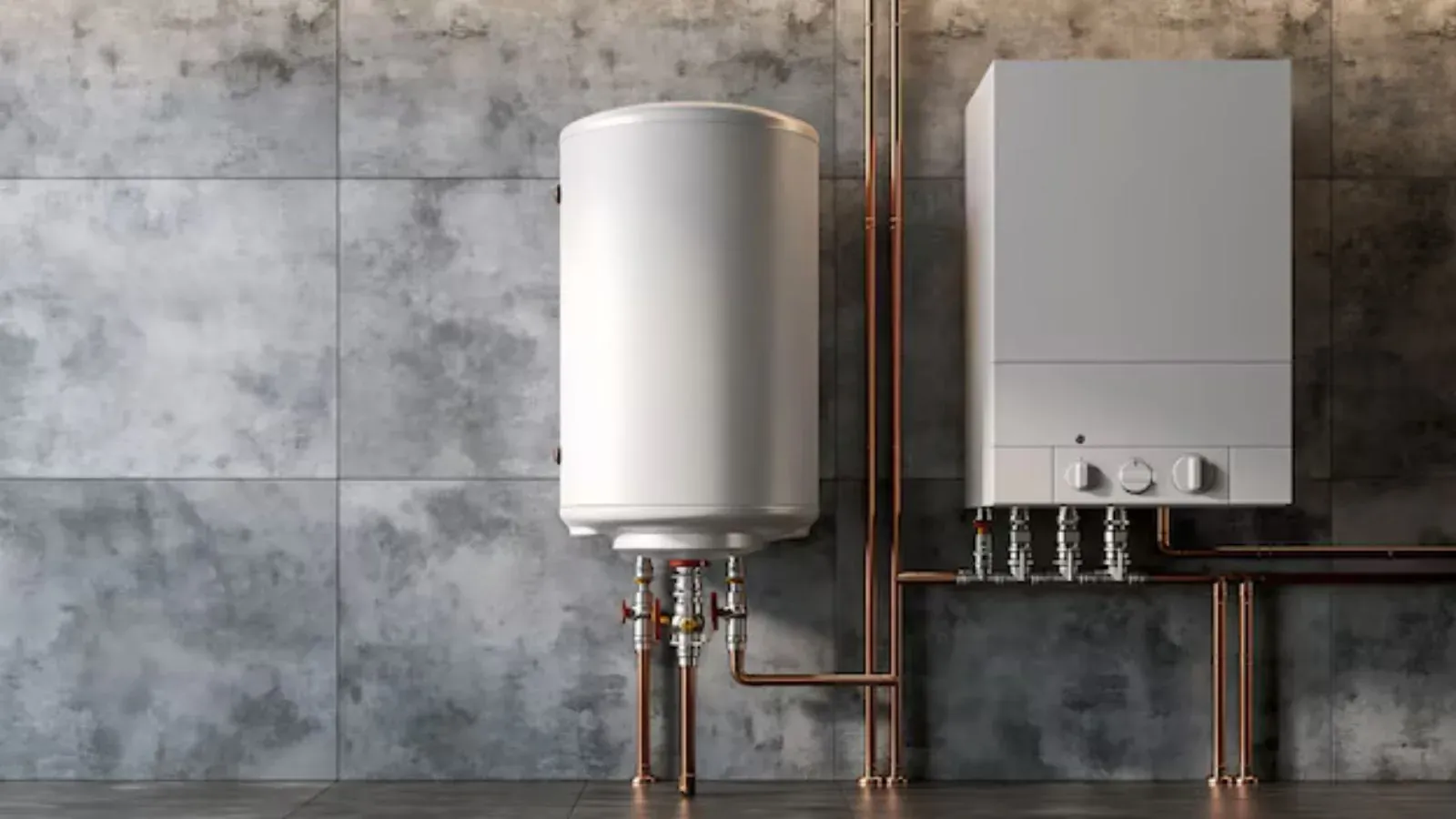
Planning a water heater installation
Installations come up in three situations. A home addition or remodel needs a new unit, a homeowner wants to switch fuel or type, or a heater has reached the end of its life and a replacement is planned ahead of time. This page covers planned installs. If your tank is leaking now, see emergency replacement.
A good install starts with questions. How many people live in the house, how many bathrooms run at once, and what fuel and vent are already in place? The answers decide the size and type.
Sizing and type
| Household | Typical tank size | Notes |
|---|---|---|
| One or two people | 30 to 40 gallons | A smaller tank is enough for light use |
| Three or four people | 40 to 50 gallons | The most common range |
| Five or more people | 50 to 80 gallons | Consider tankless or a larger tank |
| Heavy use or a large tub | Larger tank or tankless | Match recovery rate to peak use |
These are general ranges. Your plumber sizes the unit after reviewing your use.
How we install a water heater
Review the site
We check the space, the vent, the gas or electric supply and the water connections.
Pick the unit
We recommend a size and type and give you a clear price before work starts.
Install to code
We set the unit, connect water, gas or power, add a relief valve and expansion tank where needed.
Test and walk through
We fire the unit, check for leaks and combustion safety, and show you the controls.
Planning an install?
Call and we will book a visit that fits your schedule.
What installation costs and what changes it
You hear a clear price before work starts. A direct swap and a new gas line for a tankless unit are very different jobs.
The factors:
Planned installs are not an insurance matter, but a failed old unit that caused water damage may be. Keep records.
Massillon installs: venting, permits and old chimneys
Many Massillon homes have gas water heaters venting into an old masonry chimney. A modern high efficiency unit may need a different vent, and we check the chimney liner before ordering. Homes in Perry Township built in the 1950s through 1970s often have the same setup.
Plumbing work in the city may need a permit. The Massillon Building Department registers plumbing contractors and can tell you whether your job needs one, and we raise it before work starts. The Ohio Plumbing Code, OAC Chapter 4101:3, sets the statewide rules for installation.
Getting the most from a new water heater
After the install, set the thermostat to a safe temperature, check the relief valve discharge pipe and note the date on the tank. Mark a calendar for a yearly flush, and look at the base of the tank every few months for moisture. A pan under the heater with a drain line adds a layer of protection in finished basements.
Keep the manual and the registration with your house records. The warranty terms and the installer's notes are useful when you sell the house or file an insurance claim.
Ohio's plumbing standards are set by the Ohio Plumbing Code, OAC Chapter 4101:3, and every install follows them along with the maker's instructions.
Before we arrive
- Clear a path from the door to the heater and a few feet around it
- Do not light or relight a pilot if you smell gas. Leave and call 911
- Shut off the cold water supply to the old tank if it is leaking
- Switch off the breaker for an electric heater
- Photograph the rating label on the tank
- Keep children and pets away while the old tank is drained
Water heater installation questions
A straight swap often takes part of a day. Venting changes, a new gas line or a tankless conversion can take longer.
Some installs do. The Massillon Building Department handles permits for the city. We tell you before work starts.
Often yes, but a new location may need new venting, gas and water lines, which adds to the price.
Yes. We take the old unit away as part of the job.
You hear a clear price before work starts. The unit, venting, utility work, code updates and permits all matter.